In my nine years covering the mobile ecosystem, I’ve seen the landscape shift from the "Wild West" era of stand-alone apps to a more sophisticated, subscription-led, and ecosystem-heavy market. If you follow the discourse of major developers, platform holders, and even digital publishing entities, you’ll notice a recurring buzzword: immersive game libraries.
It sounds like a marketing flourish, but it represents a structural shift in how we consume interactive content. When platforms talk about these libraries, they aren't just talking about a catalog of titles. They are talking about a strategy to combat app fatigue, improve retention, and solve the eternal struggle of mobile game discovery.
The Evolution of the "Library" Concept
For a long time, the model was singular: one app, one game. You download, you play, you delete. But this fragmentation created a high "friction cost" for users. Every time a user has to head to an app store, download a heavy package, and sign in, there is a risk of drop-off. Immersive game libraries change this dynamic by centralizing the experience.
Think of herald-dispatch it as the "Netflix-ification" of mobile gaming. By providing content variety under a single roof, platforms can keep users engaged for longer sessions. Whether it's a casual puzzle collection or a suite of competitive mid-core titles, the library acts as a gravity well.
The Pillars of the Immersive Library Model
Why is this shift happening now? It’s driven by four critical pillars that influence modern mobile product design.
1. Mobile Accessibility and Convenience
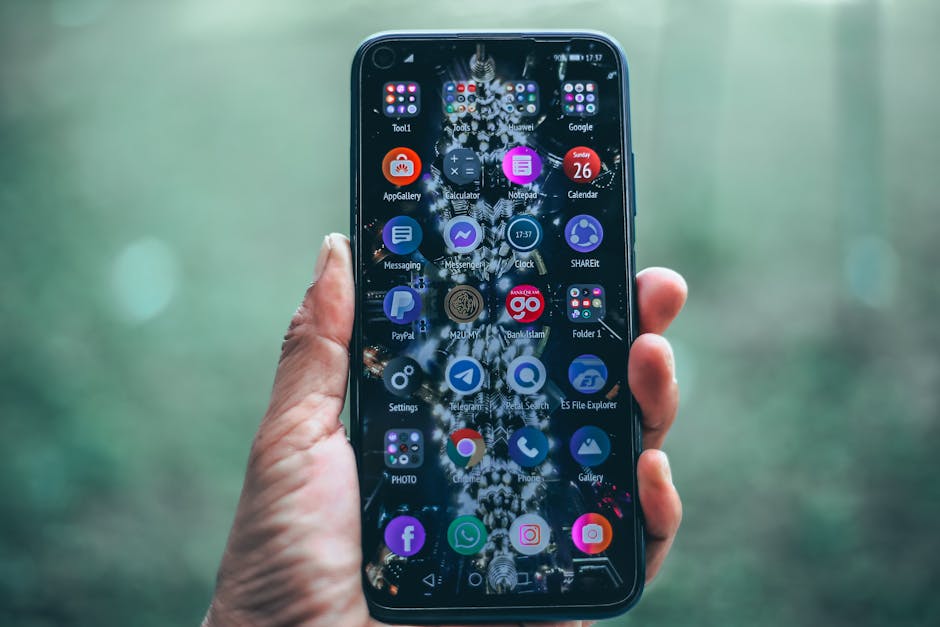
The average smartphone user is protective of their storage space and their attention span. An immersive library reduces the number of icons on a home screen and minimizes the "decision fatigue" associated with searching for the next game. By providing a unified interface, platforms leverage cloud-based systems to stream assets, meaning users spend less time watching progress bars and more time actually playing.
2. Short-Session Play and Frequent Engagement
Mobile is the medium of the "in-between moments"—the subway ride, the coffee break, the doctor’s waiting room. Game libraries are designed to cater to this. They allow for rapid switching between titles without exiting an app container. This fluidity is essential for maintaining engagement levels throughout the day.
3. Centralized Ecosystems and Discovery
One of the hardest metrics to move in mobile is organic discovery. Developers spend thousands on User Acquisition (UA), but often lose that user after the first session. Immersive libraries change the game by offering a "walled garden" where curated discovery is part of the UI. If you enjoy a specific genre within a library, the platform’s algorithm knows exactly what to suggest next.

4. Retention Through Gamification
Retention is the holy grail. During my time sitting in on analytics demos, I’ve seen how developers use daily challenges and global leaderboards to hook users. When these mechanics are tied to an entire library rather than just one game, the "network effect" kicks in. You’re not just playing for one high score; you’re playing to maintain your status within the platform’s overarching ecosystem.
Integration: When Publishers Become Gaming Hubs
Interestingly, this trend isn't limited to dedicated game studios. I have observed traditional media outlets and digital publishing firms moving toward this model as well. Entities like the Herald-Dispatch and the broader HD Media Company, LLC have recognized that reader engagement is no longer just about text; it’s about community and habituation.
By leveraging a BLOX Content Management System, publishers can integrate interactive game libraries directly into their digital platforms. This creates a powerful feedback loop: readers come for the news, stay for the crosswords or strategy games, and remain within the app ecosystem. It’s an effective way for regional publishers to capture a larger share of a user’s "screen time," effectively competing with giants like TikTok or Instagram for the user's focus.
Technical Foundations: The Engine Under the Hood
An immersive library isn't just about having a list of titles; it requires a robust technical architecture. The tools listed below are what make these platforms viable at scale:
Tool / Technology Role in Immersive Libraries Cloud-based Systems Allows for "instant play" and reduces device storage requirements. Digital Wallets Facilitates seamless, one-tap microtransactions across all games in the library. BLOX CMS Enables publishers to manage game content as easily as articles or video media. Push Notification APIs Essential for triggering daily challenges and reminders to boost DAU (Daily Active Users).The Role of Rewards and Retention
I’ve interviewed countless developers who emphasize that a library is only as good as its retention mechanics. A static list of games is boring. An immersive library is a dynamic, living ecosystem. Here is how they typically structure their retention loops:
Unified Account Progress: Your achievements in "Game A" contribute to your overall level in the library, unlocking skins or profile badges. Daily Challenges: A rotating set of tasks that encourages the user to jump into three different titles within the library to earn a daily reward. Currency Synchronization: If a platform uses a unified digital wallet, the points you earn in a word game can be used to buy items in a puzzle game, keeping the economy circular.The Future of Game Libraries Mobile
As we look toward the future, the goal of these platforms is to solve the paradox of choice. The app store is over-saturated, making mobile game discovery increasingly difficult. By shifting the focus to curated, immersive game libraries, platforms provide a signal in the noise.
We are going to see more cross-pollination. Media companies like those managed by HD Media Company, LLC will likely continue to integrate these libraries, viewing them not as an "extra" feature, but as a core component of their digital strategy. When you combine the reliability of a established publication with the engaging, addictive nature of a well-curated library, you create a product that is incredibly hard to churn from.
Final Thoughts: Is It Worth the Hype?
From a product standpoint, the "immersive library" is a defensive and offensive move. Defensively, it prevents users from leaving your ecosystem. Offensively, it uses content variety to keep users from ever getting bored. While not every user will want to play everything in a library, the convenience of having everything just one click away is an undeniable competitive advantage.
The next time you see a prompt to update your favorite news app or digital utility and find a new "Games" tab, remember: this isn't just a gimmick. It’s a sophisticated, data-driven move to make sure that the next time you have five minutes to spare, you spend them in their ecosystem, not your competitor's.
For developers and publishers alike, the lesson is clear: if you can make discovery easy, rewards frequent, and accessibility seamless, you aren't just selling a game—you’re building a destination.