We have all been there. You are cruising down the M6 or cutting across the Cotswolds, and you glance at your dash. The number representing your remaining range isn't just ticking down; it’s plummeting. You’ve lost ten miles of range in the last four miles of driving. Suddenly, the nice, relaxing drive turns into a high-stakes game of mathematical survival.
After eight years of driving EVs and writing about how technology impacts our daily lives, I’ve stopped panicking. Modern EVs are sophisticated, but they operate on a simple feedback loop: energy in vs. energy out. When that loop turns sour, you need to stop guessing and start calculating.
1. The Sanity Check: Why the Range "Lies"
First, stop blaming the car’s software. The "Guess-O-Meter" (GOM) is simply an extrapolation of your recent driving habits. If you were sitting in stop-start traffic for an hour, the car predicts you’ll have endless range. If you then hit an open A-road at 70mph, the car is genuinely shocked by the efficiency drop and adjusts accordingly.
Real-world range is a product of three things: speed, weather, and topography. If it’s raining, cold, and you’re fighting a headwind, your efficiency will crater regardless of what the manufacturer brochure promised.
The Variables at Play
Variable Impact on Range Fix Speed (70mph+) Severe Reduce speed to 60mph Heating/AC Moderate Use seat warmers, drop HVAC Incline Moderate Coast on descent2. Immediate Action: Reduce Speed
This is the most important tactical decision you will make. It isn't just a polite suggestion; it is physics. Aerodynamic drag increases with evpowered.co.uk the square of your speed. Dropping your speed from 70mph to 60mph doesn't just save you a little bit of battery—it can improve your efficiency by 15-20% depending on the vehicle’s drag coefficient.
If you see that range dropping, pull into the inside lane. Switch off the cruise control, as it can be less efficient than a steady human foot on undulating terrain. By simply lowering your speed, you are actively increasing your time-to-destination while decreasing your energy expenditure. It is the most effective feedback loop you have.
3. Check Route: Beyond the Satellite View
Do not blindly trust your car’s built-in navigation when range is tight. Most factory systems are overly optimistic or focus purely on time rather than energy conservation.
Open a secondary mapping tool. Look for topographical changes. Are you heading into the Peak District? A climb will eat your battery significantly faster than a flat motorway stretch. If your route is riddled with climbs, you need to budget for a higher energy burn. Sometimes, a slightly longer, flatter route is the better option for your battery’s state of charge (SoC).
If the route involves major traffic, you might actually be in luck. Traffic forces you to lower your average speed and engages regenerative braking more frequently. If you see red lines on the map, don’t stress—they might be saving your bacon.
4. Find Charger: The Professional Approach
If your SoC is dipping into the "danger zone"—usually under 10%—you need to locate a reliable charger immediately. Do not aim for the very last charger on your route. That is a classic rookie mistake. If that charger is occupied or broken, you are stranded.
Use Zap-Map. It is the gold standard for UK EV drivers. Don’t just look for a pin; look for the "Live" data. Is the charger reported as working? Are there comments from other drivers?
Why Community Data Matters
I often check the community comments or forums like Disqus threads attached to charging network updates. If a specific site has had three people in the last 24 hours complain about a comms error or a faulty connector, skip it. Choose a hub with at least four chargers. Risk mitigation is the core of a successful EV road trip.
5. Managing Risk vs. Reward
You are now making a trade-off. Should you press on to a faster, high-powered charger 20 miles away, or stop now at a slower charger that’s nearby?
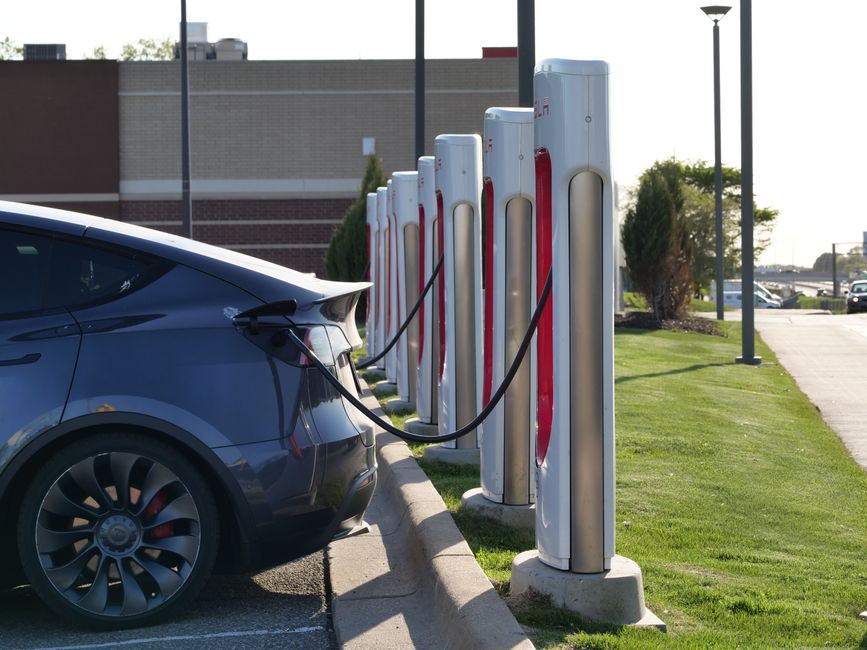

- The Reward: A 150kW charger that gets you back on the road in 20 minutes. The Risk: The car might not make it if you hit a sudden headwind or a heavy traffic jam.
My rule of thumb: If your buffer is less than 5%, take the first reliable charger you find. It is always better to wait 40 minutes at a slower charger than to wait three hours for a recovery truck. Recovering a few percent of charge at a "slow" destination charger is better than running dry on the hard shoulder.
6. Developing Your Own Feedback Loop
The "range anxiety" you feel is actually a lack of data. Over time, you stop worrying about the number on the dash because you’ve learned how your specific car handles your specific commute.
Start recording your own data. For the next month, note down your efficiency (miles per kWh) on your regular routes under different conditions. When you know that "Winter + Motorway = 2.8 miles/kWh," you stop being surprised when the range drops. You simply adjust your planning before you ever leave the driveway.
Final Thoughts: It’s Just Math
Driving an EV is not a test of your nerves; it is a test of your ability to manage energy. When the range drops, don't get angry at the car or the infrastructure. Slow down, check your route, verify your charging stop with Zap-Map, and keep a cool head.
If you treat the car like the computer it is, you’ll find that "range drops" are just data points to be managed, not signs of an impending breakdown. Stay steady, stay sensible, and you’ll arrive at your destination with plenty of electrons to spare.